

Quarry · Data acquisition

All your outside data.
One clean feed.

See the outside world without building custom scrapers.

Every source plugs in. Each piece is checked, then leaves as one clean feed.

Before Quarry

Click the ones you recognise. Each one shows what changes.

Tonight, somewhere in your company.
What this adds up to 0 of 6

Quarry is the part that fetches.

Maintained, gated veins plus pointed extraction you run yourself. The outside world arrives clean, current and ready to join.

See how it works

After Quarry

The same six, once Quarry is running.

Click any card to flag or unflag that problem.

Want this for your outside data?

How Quarry works

The source says what. The platform handles how.

1 · Declare the source

Each source is a small declaration: what to fetch, how often, which fields to extract. A new source is configuration and a parser, not a new crawler.

2 · Fetch, cheapest method first

Seven fetch strategies, from fingerprinted HTTP to full browsers. A heavier method only when a source demands it.

3 · Validated facts, delivered

Every field checked against a schema, changes marked, and clean facts delivered to Smelter or wherever you need them.

How it is built

GoRustPythonTypeScriptgRPCValkeyMongoDBChromiumFirefoxPuppeteerTesseractOpenTelemetry

Open components, no proprietary runtime. Proxy and CAPTCHA providers are your choice, and optional. Runs fully inside your environment.

Open formatsNo lock-inAir-gapped
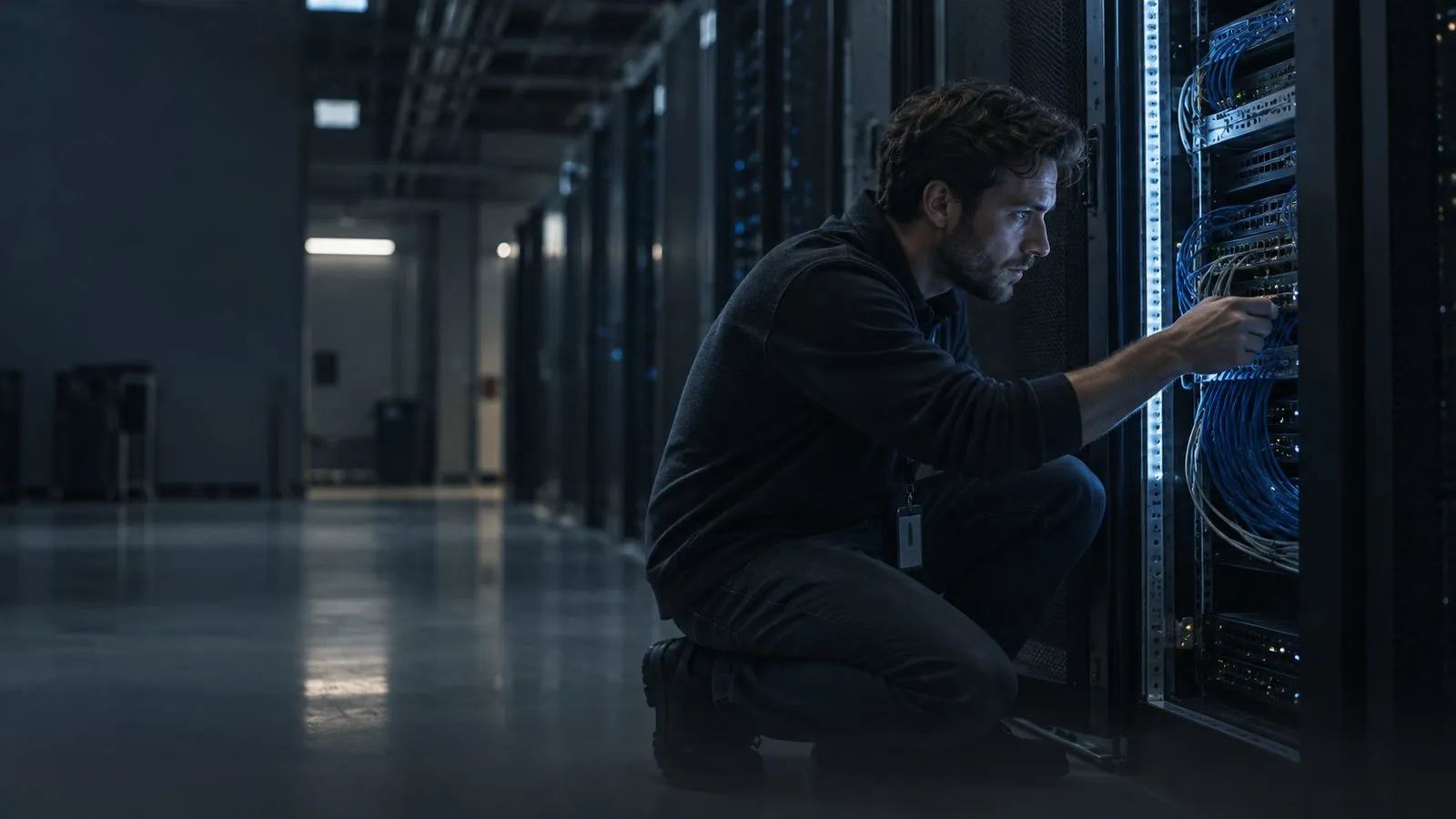
Where it runsA rack-level intake point in a client data hallPhoto slotq-runs.jpg · 16:9
Gated intake, inside your walls.

Industries that use Quarry

And, just as clearly, what it is not.

Outside data that is clean, current and legal to use.

No scraper team. No marketplace. The data your business depends on, kept up to date.

Pick your industry

See every industry

Quarry · acquisition Photo slotq-what.jpg · 16:9
Acquisition, gated at the source.

What it is

  • Government, licensed and public-origin feeds, acquired on schedule and kept current.
  • Pointed extraction you deploy and operate in your own infrastructure, for sources that need it.
  • Entity facts delivered clean, deduplicated and ready to join to your record.

What it is not

  • Not a data marketplace to browse.
  • Not a one-off data pull. Feeds are kept current.
  • Not where your sensitive data lives. That belongs in Smelter.

Case studies

Where Quarry is used. Pick an industry, or let it run.

Industry · Risk and compliance

We caught regulator changes on day one for a compliance team

The problem

Sanctions, registry and regulator changes are found by hand, and often after the deadline.

How we solved it

Gated feeds from government and licensed sources, checked for where they came from, whether you may use them, and whether they are current.

The result

The change reaches the team the day it is published.

Read the full story

What was going on

Every morning, an analyst worked through a list of government and regulator websites, checking each one by hand for anything new. When a sanctions list or company registry changed overnight, the team only found out when someone happened to look, and sometimes that was after the deadline to act.

What we did

  1. We set up a Quarry feed for every source the team watched: sanctions lists, company registries and regulator notices.
  2. Every update passes three checks before it gets in: where it came from, whether the team is licensed to use it, and whether it is still current. A stale source is flagged, never served quietly.
  3. Changes arrive in one format, inside the client’s own systems, ready for the compliance team to act on.

What changed

The change reaches the team the day it is published. Nobody spends the morning refreshing websites, and every update can be traced back to its source.

Quarry

Industry · Commodities

We gave an agri trader live prices and tariffs

The problem

Prices, tariffs and crop data sit on portals that break the scrapers built to read them, and trading rules shift with the season.

How we solved it

Maintained feeds plus collectors running inside their own systems, with trading rules versioned over the record.

The result

Traders work from current data, and the rules move with the market.

Read the full story

What was going on

The trading desk lived on prices, tariffs and crop reports published on government and market portals. Their scrapers broke whenever a portal changed its layout, and the trading rules, which shift with the season, sat in spreadsheets only a few people could edit.

What we did

  1. Quarry replaced the fragile scrapers with maintained feeds, plus collectors running inside the trader’s own systems for the sources nobody else covers.
  2. When a portal changes, the feed is fixed on our side. The desk just keeps receiving data.
  3. In Assembler, the trading rules became versioned rules over that data. A seasonal change is a new version of a rule, not a new spreadsheet.

What changed

Traders work from current data, and the rules move with the market. When a rule changes, everyone can see which version made which call.

Quarry + Assembler

Industry · Trade

We turned five inboxes into one clearing flow for a trade house

The problem

Each party holds one piece of the picture, and the clearing record is assembled by hand from all of them.

How we solved it

Outside data brought in and joined into one record, then cleared by versioned rules with every step logged.

The result

One path through the process instead of five inboxes.

Read the full story

What was going on

Clearing a single trade meant chasing data from every party involved. Each one held a piece of the picture, and someone stitched the clearing record together by hand from five different inboxes.

What we did

  1. Quarry brought in the outside data each party publishes, in one format.
  2. Smelter joined every piece into one record of the trade, with each value keeping a note of where it came from.
  3. Assembler runs the clearing steps as versioned rules, and writes every step to a log the client owns.

What changed

One path through the process instead of five inboxes. When someone asks why a trade cleared, the answer is already in the log.

All three

FAQ

The basics of Quarry.

What is Quarry?

Quarry is a data acquisition platform. It reaches the external sources your operations depend on, such as websites, portals and public registries, extracts clean, validated facts, and keeps them current on a schedule. It runs inside your own environment, so you see the outside world without building and maintaining custom scrapers.

What kind of data can Quarry acquire?

Structured facts from public-origin, licensed and government sources: prices and availability, tenders and procurement notices, registry and tax records, published lists, supplier and partner portals, and travel fares and hotel rates. It handles plain web pages, JavaScript-heavy sites, APIs, PDFs and scanned documents.

Who uses Quarry?

Teams that act on what happens outside their walls: pricing and revenue teams tracking competitors, procurement and compliance teams watching tenders and registries, risk teams monitoring suppliers and partners, and travel businesses tracking fares and availability.

How is Quarry different from writing our own scrapers?

A home-grown scraper bundles everything into one script: fetching, retries, proxies, blocks, parsing and delivery. In Quarry, each source is a small declaration of what to fetch and which fields to extract, and the platform handles how: the fetch method, escalation when blocked, proxies, retries, scheduling, validation, delivery and monitoring. A new source is configuration and a parser, not a new crawler.

Is Quarry a data marketplace?

No. Quarry does not sell or resell data. It is software that runs in your environment and acquires the sources you choose, for your own use, with each source's terms of access assessed per engagement.

See all 25 Quarry questions →